

Signal-Based ABM
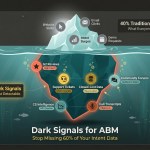
Most ABM programs fail because they start with a list—not with signals. The targeting is static, the campaigns are misaligned with buying behavior, and sales ends up calling accounts that aren’t even looking.
Signal-based ABM flips that approach on its head. Instead of guessing who to target, you use AI to surface real-time buying signals from your ideal accounts—then trigger campaigns automatically. It’s the fastest path to aligned pipeline, and it’s the foundation of twelfth’s Clay-powered approach.
If your team is feeling the pressure to prove pipeline impact fast, here’s how signal-based ABM works—and how you can implement it in weeks, not months.
What Is Signal-Based ABM?
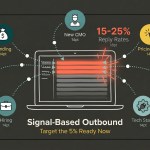
Signal-based ABM is the practice of identifying accounts showing real-time buying intent and orchestrating personalized, multi-channel campaigns based on those signals. Instead of relying solely on firmographics or job titles, you target accounts based on observable behaviors—like hiring trends, website visits, tech stack changes, or decision-maker engagement.
It’s account-based marketing powered by data that actually means something.
With signal-based ABM, your target list isn’t just a wish list—it’s a dynamic pipeline of accounts actively in-market. And because you’re acting on real interest, your sales team stops wasting time chasing cold leads.
Why Traditional ABM Misses the Mark
Most ABM programs fail for one simple reason: they treat targeting as a one-time event.
You get a list of companies that fit your ICP, upload it to your ad platform or CRM, and hope something sticks. But without behavioral signals, you have no idea if those accounts are ready—or even remotely interested.
The result?
Declining MQL-to-SQL conversion rates
Friction between sales and marketing
Leadership questioning marketing’s impact
Wasted spend on accounts that will never buy
Signal-based ABM solves all of that by ensuring you’re only investing in accounts that are actually sending buying signals—and doing it at scale with AI.
Clay + AI: The Engine Behind Signal-Based Targeting
At twelfth, Clay is the foundation for everything we do.
Clay’s enrichment and signal detection capabilities allow us to turn a noisy B2B universe into a filtered view of accounts that are in-market, aligned with your ICP, and ready for outreach. It enables us to:
Discover hidden buying committees
Map organizational changes in real time
Detect intent signals like new funding, job openings, or tech stack adoption
Score and prioritize accounts based on signal strength
Trigger outbound and ad campaigns automatically
The best part? It’s not just a list builder—it’s a signal engine that never stops learning.
8 Types of Signals You Should Be Tracking
Signal-based ABM starts with listening. Here are the key signals your ABM strategy should incorporate:
Hiring Signals
Are they hiring sales, marketing, or ops roles? It often points to GTM investment or tool expansion.Technology Changes
If they’ve added a new CRM, CDP, or integration partner, it’s likely a signal they’re evaluating complementary tools.Funding Announcements
Newly funded accounts are flush with budget and under pressure to execute—ideal timing for outreach.Website Engagement
Visits to pricing, integrations, or demo pages are strong intent indicators that often go unnoticed without tracking.Content Interaction (via The Swarm)
Social signals—such as engaging with your content or competitors’ posts—suggest topical awareness and research.Email or Outreach Replies
A reply to a rep—even a “not now”—can trigger a broader marketing campaign targeting the full buying group.Custom Intent Signals from Publicly Available Sources
Using Clay and scraping tools, you can detect niche signals tied to your ICP—like ISO certifications, new vendor listings, or public job board partnerships. These aren’t available through generic providers and give you a proprietary targeting edge.Topical Intent Based on Content Consumption
If prospects consistently consume specific content topics (e.g., “composable CDPs” or “AI sales enablement”), you can score them for thematic interest and align messaging accordingly—down to the subject line.
These eight signal types work best when layered and weighted by recency, frequency, and ICP fit. That’s how signal-based ABM goes from noisy to precise—and from slow to scalable.
Get a free ABM assessment
to forecast revenue impact from ABM and show exactly where to focus for maximum ROI
How to Build a Signal-Based ABM Account List in Clay
Building your first signal-based list in Clay takes just days. Here’s the blueprint:
Define Your ICP
Use Clay’s lookalike modeling to pull companies that mirror your top 10% of customers.Layer In Public Signals
Add filters for tech stack, hiring, funding, engagement—whatever’s relevant to your GTM.Enrich with Buying Committee Contacts
Automatically pull decision-makers with verified emails and titles.Score by Signal Density
Use AI to weigh the relevance and recency of signals—so you can stack-rank accounts by likelihood to convert.Push to Outreach or Ads Automatically
Integrate with tools like Outreach, Webflow, or LinkedIn Ads to trigger engagement immediately.
Signal-based ABM doesn’t just tell you who to target—it tells you why now is the right time.
Triggering Multi-Channel Campaigns from Real-Time Signals
Once you’ve identified in-market accounts, the next step is activating the right campaigns—fast.
At twelfth, our signal-based ABM approach uses orchestrated plays across:
LinkedIn Ads: Warm up key stakeholders with personalized messaging
Email Sequences (Outreach): Trigger based on specific behaviors (like a funding round)
Typeform or Webflow: Route them into tailored conversion experiences
Content Syndication: Distribute relevant assets based on role and buying stage
Sales Plays: Arm SDRs with context-rich messaging tied to the exact signal detected
Because everything is connected via Clay, we can launch these workflows within hours of signal detection—not weeks.
ABM Workflows Using Clay + The Swarm, Madkudu, and More
Let’s make this concrete. Here’s an example of a full signal-based ABM workflow:
Clay detects a VP of Marketing at a Series B SaaS company just joined a new role.
Clay enriches the contact + maps 4 other members of the buying group.
The Swarm confirms this contact just engaged with a competitor’s LinkedIn post.
Madkudu scores the account as “High Fit / High Intent.”
Outreach triggers a custom outbound sequence referencing the LinkedIn engagement.
A LinkedIn ad campaign launches simultaneously, targeting the rest of the committee.
Any click or reply routes the account into a Webflow experience personalized by industry.
This is signal-based ABM that converts.
Signal-Based Campaign Case Study
Client: Growth-Stage SaaS Company (Series C)
Problem: Declining conversion rates and wasted spend on cold outbound.
Solution:
Clay list built from intent-rich signals (funding, tech stack changes, topical content engagement)
Signals integrated into LinkedIn ads for awareness and Outreach for outbound emails
Buying committee mapped + persona messaging deployed based on account stage
Results (in 90 days):
3.2X increase in MQL-to-SQL conversion
41% reduction in time-to-first-meeting
$326K in new pipeline from net-new accounts
This is the power of signal-based ABM—not more leads, but smarter timing and better targeting.
Measuring Success: From Signals to SQLs
Success in signal-based ABM isn’t about volume—it’s about velocity and quality.
Here are the metrics we track with clients:
Signal-to-Meeting Conversion Time
Sales Acceptance Rate of Marketing-Identified Accounts
Account Penetration Rate (multi-threading effectiveness)
Pipeline Velocity (opportunity creation speed)
Revenue Influence from Signal-Triggered Plays
This gives marketing real ammunition in the boardroom—and gives sales confidence in every lead they touch.
Getting Started with Signal-Based ABM (Without the Overhead)
Building a signal-based ABM engine in-house takes expertise, tooling, and alignment most growth-stage teams don’t have the time or headcount for.
That’s why twelfth exists. We bring:
AI-powered targeting with Clay
ABM systems built to convert in 8–12 weeks
Proven orchestration using tools like The Swarm, Outreach, and Madkudu
Attribution models your board will actually understand
If you’re tired of spending on ABM that doesn’t convert, signal-based ABM is your answer.
Ready to See Signal-Based ABM in Action?
Let us show you the actual signals your target accounts are sending—and how to turn them into pipeline.
Popular
-
 April 1, 2026
 -
 April 1, 2026
 -
 April 1, 2026
 -
 April 1, 2026